K–12 School Furniture

Furniture Planned From Capital Plan to First Bell

COI helps K–12 facilities and project teams translate educational goals into room standards, procurement-ready specifications, coordinated delivery and installation, and long-term furniture support.

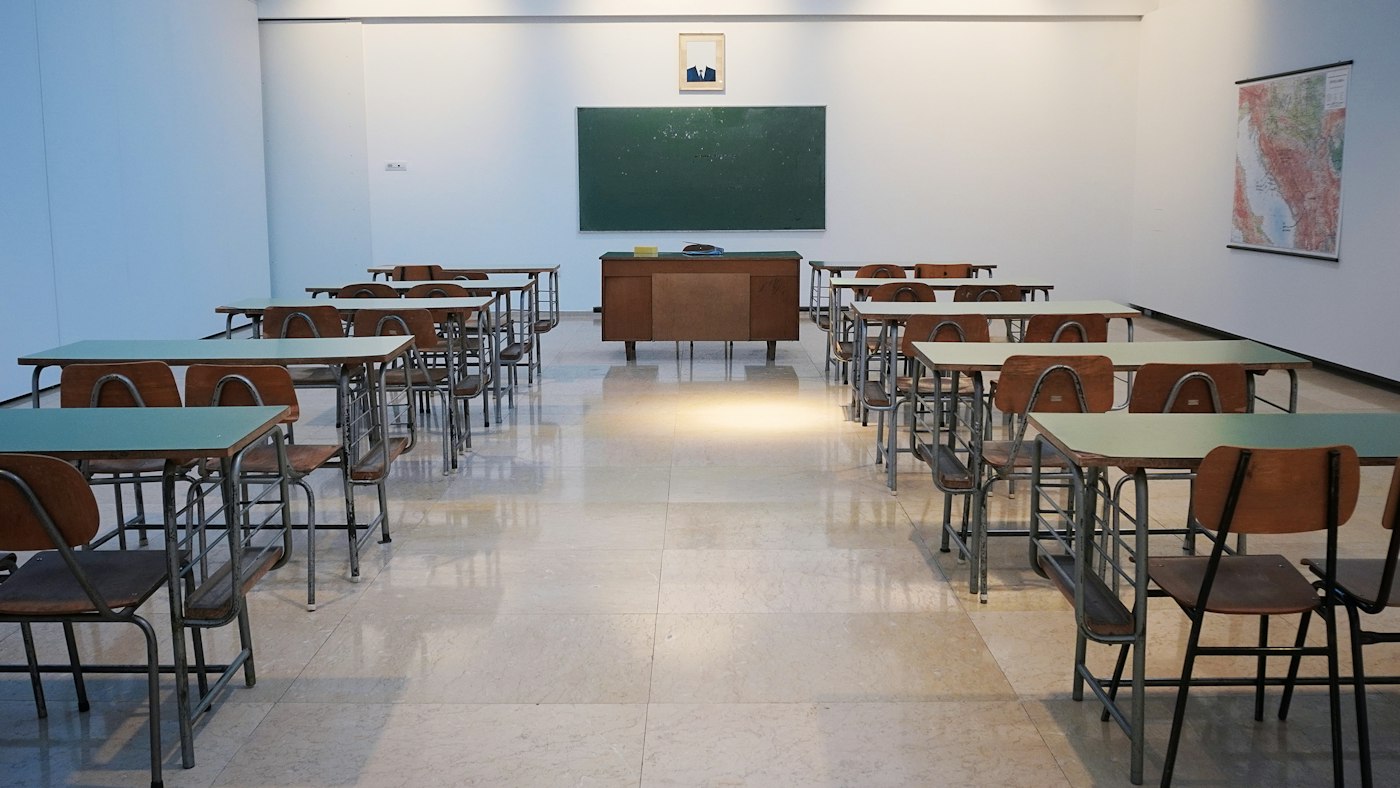
Flexible K–12 classroom with coordinated seating, tables and storage planned for multiple learning activities

District + Campus Standards

K–12 Manufacturer Portfolio

Public Purchasing Support

Room-by-Room Installation

Warranty + Lifecycle Service

Designed for Instruction. Managed for the Realities of Schools.

The furniture has to support the district’s instructional model without creating an unmanageable room. It must fit different ages, bodies, abilities and sensory needs; withstand daily movement and cleaning; arrive through an authorized purchasing path; and be installed in the correct room inside a narrow project window.

COI connects those educational, operational and purchasing requirements before the order is released.

Plan the standard

Translate activities, grade levels, enrollment, accessibility, technology, storage, maintenance and budget into repeatable room standards.

Prove the product

Compare exact models using dimensions, construction, performance testing, low-emissions documentation, cleanability, warranty and replacement parts.

Navigate procurement

Support competitive bids, RFPs, approved equals, state contracts and cooperative contracts with clear product and scope information.

Protect the opening date

Coordinate approvals, site conditions, freight, staging, room tags, assembly, placement and punch around construction and the school calendar.

Support the lifecycle

Provide care information, warranty administration, spare parts, additions, moves, reuse and standards updates after occupancy.

K–12 Specialists Across the Whole School

COI’s education portfolio combines coordinated classroom families with specialist solutions for labs, CTE, libraries, dining, performance and multipurpose spaces. The product is selected for the room—not forced into it.

Specialized product choices for classrooms, labs, makerspaces, libraries, dining, multipurpose, performance and supporting spaces.

National Public Seating

Folding and stacking seating, mobile cafeteria tables, science, music, room dividers, stages and risers.

Palmer Hamilton

Cafeterias, dining commons, cafetoriums, multipurpose rooms, outdoor learning and esports.

MooreCo

Active-learning seating, tables, classroom storage, teacher stations and visual communication.

Diversified Spaces

Science, STEM, robotics, art, drafting, woodshop and CTE furniture and casework.

Virco

Coordinated classroom families, district standards and whole-campus project planning.

VS America

Age-appropriate ergonomics, controlled-movement seating and fast-transition classroom tables.

Smith System

Classroom, makerspace and library furniture with model-level dimensions and credentials.

Artcobell

Coordinated K–12 classroom families, teacher stations and planning typicals.

Paragon

Classrooms, makerspaces, libraries, lounges and early-learning environments.

Manufacturer availability, product scope, territory and quoting path are verified for each project.
[COI APPROVAL OR INPUT REQUIRED: confirm current authorization and territory for all nine education manufacturers. Approved logo artwork is not yet on file, so partners are shown by name only.]

See How the Portfolio Fits Together →

Furniture for the Work Happening in Each Space

Start with the activities, people, risks and operating needs. Then select the furniture and documentation.

General Classrooms

Coordinate direct instruction, individual work, small groups, projects and assessment with age-appropriate seating, desks, tables, storage and teacher support.

Representative lines

Virco · VS America · Smith System · Artcobell · Paragon · MooreCo

Facilities prompt

How quickly and safely can the room transition, and where do unused pieces park?

Early Learning

Plan lower heights, smaller bodies, floor-level activity, accessible participation, storage, cleaning and safe movement without reducing the room to novelty furniture.

Representative lines

Artcobell · Paragon · Virco · Smith System · MooreCo

Facilities prompt

Are dimensions and clearances appropriate for the intended age range and activities?

Special Education + Sensory Support

Create predictable zones, varied posture and focus choices, quiet or refuge settings, accessible work positions and clear supervision.

Representative lines

MooreCo · Paragon · Smith System · VS America · Artcobell

Facilities prompt

Can students regulate and participate without being isolated or stigmatized?

Science, STEM + CTE

Coordinate robust work surfaces, utilities, mobile demonstrations, tool and material storage, power and room-specific safety requirements.

Representative lines

Diversified Spaces · National Public Seating · Smith System · MooreCo · Paragon

Facilities prompt

Does the surface, storage and utility strategy fit the actual chemicals, heat, impact, tools and equipment?

Art + Makerspaces

Support creation, cleanup, material storage, standing and seated work, mobile tools and collaboration with furniture selected for the actual process.

Representative lines

Diversified Spaces · Smith System · Artcobell · Paragon · MooreCo

Facilities prompt

What must be locked, cleaned, moved, powered or protected between classes?

Libraries + Media Centers

Balance quiet focus, group work, presentation, creation, reading, display, community use, power and supervision.

Representative lines

MooreCo · Paragon · VS America · Smith System · Artcobell

Facilities prompt

Does the zoning plan address noise, sightlines, circulation, power and future change?

Cafeterias + Cafetoriums

Plan dining, queuing, accessible seating, rapid room conversion, storage and multipurpose use around safe, serviceable mobile and fixed products.

Representative lines

Palmer Hamilton · National Public Seating · Virco

Facilities prompt

How many staff are needed to convert the room, and where does the furniture go when folded or moved?

Music, Performance + Assembly

Coordinate music seating, conductor furniture, stages, risers, folding and stacking products, room dividers, storage and event changeovers.

Representative lines

National Public Seating · Palmer Hamilton

Facilities prompt

What are the setup sequence, storage footprint, edge protection, egress and supervision requirements?

Staff, Administration + Community Use

Extend district standards into teacher planning, administration, conference, staff respite and community-facing spaces without losing ergonomic or lifecycle discipline.

Representative lines

Best-fit products across COI's open-line commercial portfolio, including the nine education specialists where appropriate.

Facilities prompt

Can the furniture support school-day work and after-hours community use?

A piece of furniture does not treat, cure or guarantee an educational outcome. Products are selected for the room, the activity and the operating requirements.

Specialists Where the Project Needs Them

These are complementary strengths, not a ranking. The right line depends on the room, the activity, the schedule and the purchasing route.

NeedPrimary line-card strengths
General classrooms and district standardsVirco, VS America, Smith System, Artcobell, Paragon, MooreCo
Science, STEM, robotics, art and CTEDiversified Spaces, National Public Seating, Smith System, MooreCo, Paragon
Cafeterias, dining commons and cafetoriumsPalmer Hamilton, National Public Seating, Virco
Libraries, media centers and commonsMooreCo, Paragon, VS America, Smith System, Artcobell
Music, performance, assembly and eventsNational Public Seating, Palmer Hamilton
Visual communication and displayMooreCo
Outdoor learning and esportsPalmer Hamilton, subject to model and site verification

Standards Without the Alphabet Soup

Not every certification answers the same question. Performance testing evaluates strength and durability. Emissions certifications address indoor air quality. Accessibility depends on the product and room plan. Sustainability credentials examine broader material, manufacturing and social criteria.

Performance

ANSI/BIFMA

Ask for the exact model, product-category standard and edition, plus the manufacturer's declaration, test report or registry listing when available.

Indoor air quality

GREENGUARD Gold · SCS Indoor Advantage Gold · MAS Certified Green

Verify the current certificate and covered product family. Low-emitting does not mean chemical-free, non-toxic or more durable.

Accessibility

ADA + Section 504

Use exact dimensions and a furnished plan showing route, approach, clear floor space, knee and toe clearance, dispersion and circulation. A product badge alone does not establish compliance.

Sustainability

LEVEL · FSC · EPD/HPD · Project Criteria

Use exact model-level evidence when a project requires it. Furniture may contribute to LEED, WELL or CHPS criteria; the furniture itself is not "LEED certified."

Current low-emissions documentation is available for qualifying models. Certification marks are shown only when the exact product or family holds a current certificate, the mark owner’s usage rules permit display, and the accompanying copy states what the credential covers.
[COI APPROVAL OR INPUT REQUIRED: verify each certification against the exact model and configuration, and obtain mark-owner permission, before any certification artwork is added.]

Procurement Support That Respects the District’s Process

A K–12 furniture project may use a competitive bid, RFP, approved-equal review, state contract, cooperative contract or another locally authorized path. COI helps identify possible manufacturer agreements, verify product and service scope, and assemble the model-level information purchasing needs.

Availability is subject to district authority, current contract scope and dealer participation. Contract use is subject to district authority, current term and scope, dealer participation, required approvals and local documentation. COI does not provide legal advice or guarantee that a project is exempt from competition.

[COI APPROVAL OR INPUT REQUIRED: confirm current contract term, product and service scope, dealer participation, territory, pricing route and local authority before any contract mark or logo is added. BuyBoard and TIPS require prior permission and supplied artwork.]

From Bond Plan to First Bell

COI can enter during standards development, programming, design, budgeting, procurement, installation or lifecycle planning. Earlier involvement creates more opportunity to coordinate rooms, evidence, contracts, schedule and logistics.

1

Discover + Program

Room list, grade levels, activities, existing standards, inventory, accessibility, technology, maintenance, budget, funding and schedule.

2

Plan the Rooms

Scaled layouts, alternate configurations, room types, circulation, storage, utilities and preliminary bills of material.

3

Sample + Validate

Product samples, mock-ups or pilots with teachers, facilities, accessibility, custodial and other stakeholders as appropriate.

4

Budget + Align

Itemized scope, alternates, reuse opportunities, lifecycle considerations and value engineering that preserves required performance.

5

Specify + Procure

Exact models, options, finishes, certificates, contracts, bids, submittals, approvals and purchase-order support.

6

Coordinate the Site

Field conditions, loading, elevators, security, flooring, power, staging, room tags, construction readiness and installation sequence.

7

Deliver + Install

Receiving, assembly, room-by-room placement, floor protection, packaging removal, progress tracking and issue management.

8

Close Out + Support

Punch, shortages and damage, warranties, care guides, spare parts, asset information, additions, reorders and Day 2 service.

Bring us a floor plan, room list, district standard, existing inventory, bond scope, purchasing contract—or simply the space that is not working.

Build Backward From the Opening Date

Factory lead time is one milestone. The working schedule must also include stakeholder review, samples, budget alignment, procurement, finish approval, certificates, field verification, construction readiness, freight, staging, installation and punch-list correction.

Lead times vary by model, options, quantity, production season and manufacturer. Quick-ship programs cover selected products, not the full portfolio. COI validates the schedule for the configured project rather than publishing one universal promise.

  1. Approve
  2. Order
  3. Produce
  4. Receive
  5. Stage
  6. Install
  7. Punch
  8. Open

Plan for the Years After Installation

Useful life depends on more than a warranty headline. COI helps teams compare replaceable glides, casters, shells, tops and upholstery; cleaning compatibility; finish continuity; spare parts; additions and reorders; repair; reuse; resale; donation and responsible end-of-life options.

Low-emissions documentation is one part of sustainability. The broader decision can include material health, responsible sourcing, recycled content, manufacturing, repairability, useful life and circularity.

COI can extend the district’s plan into RESEAT-powered reuse, resale, donation, repair, renewal and recycling workflows.

[COI APPROVAL OR INPUT REQUIRED: confirm current RESEAT scope for K–12 projects and any claims or reporting shown]

Day 2 Lifecycle service →

K–12 Experience You Can Evaluate

Ask COI for relevant K–12 product samples, room-planning examples, manufacturer references and project experience for your grade levels, spaces, purchasing route and schedule.

[COI APPROVAL OR INPUT REQUIRED: supply approved K–12 case studies, photography and references. No district names, testimonials, installed counts, savings figures or educational outcomes are published without documented approval and evidence.]

K–12 Furniture Questions

How early should we plan furniture for a summer opening?

Begin during design development or as soon as room types, scope and funding are defined. Final order timing depends on model, finish, quantity, approvals, production season, freight, site access and installation. The schedule should include submittal review, field verification, contingency and punch — not only factory lead time.

Can we buy through a cooperative or state contract?

Often, when the district is legally authorized to use the agreement and the required products and services are within its current scope. Purchasing should confirm the contract term, dealer participation, local approvals and documentation.

What makes furniture commercial grade for a school?

Look for exact product-category testing, construction details, appropriate sizes, serviceable components, cleanability, warranty terms, replacement-parts access and evidence of comparable K–12 use. There is no single "commercial-grade" badge.

Is school furniture ADA compliant?

Some products provide dimensions designed to support accessible use. Final compliance depends on the selected product, clear floor space, approach, knee and toe clearance, dispersion, circulation and the complete furnished plan.

Which indoor-air-quality certification is best?

GREENGUARD Gold, SCS Indoor Advantage Gold and MAS Certified Green are recognized low-emissions paths with different program structures. The useful question is whether the exact configured product has a current certificate that satisfies the project specification.

Can we standardize across several schools?

Yes. A district standard can define approved product families, sizes, finishes, parts, alternates and room typicals while preserving grade- and program-specific choices. Review the standard periodically for availability, certificates, warranty, contract status and curriculum changes.

Can COI help with specialty spaces?

Yes. COI's education lines include products for science, STEM, robotics, CTE, art, libraries, media centers, dining, multipurpose, music, performance, outdoor learning and esports. Each space is planned around its activities, utilities, storage, accessibility, safety and operating requirements.

Does flexible furniture improve learning?

Furniture can support movement, collaboration, individual focus and different activity modes. It does not by itself prove higher engagement, attendance, focus or achievement. COI specifies the product around the district's educational plan and operational requirements.
Keep Reading

Bring Us the Rooms, the Requirements and the Opening Date

COI will help turn a district standard, floor plan, room list, bond scope, purchasing contract or existing inventory into a documented, purchasable, installable and supportable furniture program.

Spaces in scope (select all that apply)

PDF, Word, Excel, CSV, image, DWG, RVT or ZIP. 10 MB maximum. Files are emailed to the COI project team and are not stored on this website.

Talk With a K–12 Furniture Specialist · (603) 704-0414

Bring us the rooms, the requirements and the opening date.

A district standard, floor plan, room list, bond scope, purchasing contract or existing inventory is enough to start.

Start a K–12 Furniture Project Call COI · (603) 704-0414

Last reviewed July 27, 2026