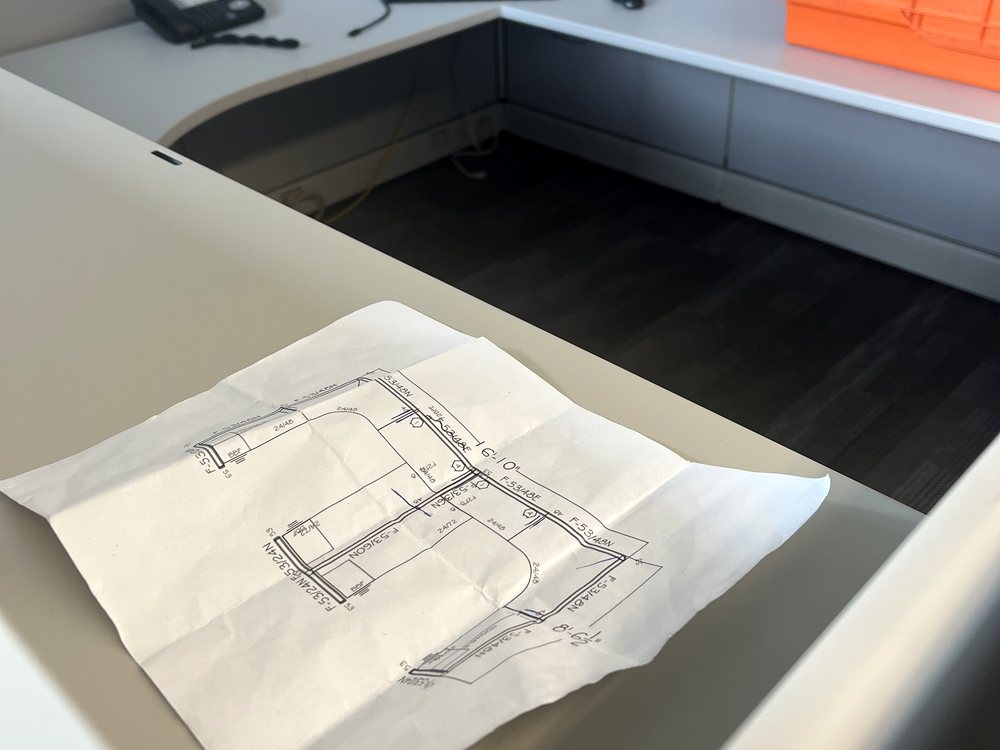
COI helps office managers, administrators, facilities teams and growing companies plan the workplace side of a commercial move: furniture inventory and destination planning through relocation, reinstallation, new furniture for missing needs, office furniture decommissioning and post-move support.
Based in Londonderry, New Hampshire. Serving New Hampshire, Greater Boston, Massachusetts, New England and qualified multi-location projects.
One coordinated plan for what moves, what is missing and what leaves.
Scope: The written proposal defines the exact scope. Depending on location and project needs, labor, transport, storage, disposal and specialty services may be provided by COI or qualified project partners identified in the proposal. IT, data, records, construction and regulated work remain with the appropriate responsible parties unless separately identified in writing.
Office administrators are often asked to coordinate the move while continuing to run the office. COI can turn the furniture scope into a practical workback plan, responsibility map and communication package so decisions have an owner and move-day questions have an answer.
Key furniture decisions, approvals, surveys, labels, site releases, move phases, installation and punch milestones in one operating sequence.
Named owners for furniture, building access, employee communication, IT/AV, records, construction, moving, removal and final signoff.
Approved packing, labeling, department, seating and move-day instructions that the internal team can issue to employees.
Clear furniture locations, destination codes, departments, rooms and exceptions tied to the approved destination plan.
Loading, elevators, security, work hours, floor protection, staging, certificates and vendor contacts organized before arrival.
A defined process for missing items, damage, placement questions, adjustments, employee requests and closeout after the move.
Exact move-management documents depend on the proposal, project size, responsible parties and available source information.
A useful move plan identifies who leads each decision before the work starts. COI manages the approved furniture scope, coordinates its interfaces and documents what remains with the client or another specialist.
The written proposal identifies the services, responsible parties, assumptions, exclusions, price and schedule for the move.
The right move plan changes with the lease, destination, headcount, furniture inventory, building rules and occupancy date. Start with the situation.
Connect the approved destination plan with furniture inventory, disassembly, transport, reinstallation, new product, IT cutover interfaces and Day 1 requirements.
Plan a Relocation →Plan Day 1 furniture around current employees while establishing capacity, standards and later purchase phases for expected hiring.
Plan for Growth →Create a repeatable furniture package and coordinate what should transfer from the current office versus what the new location needs.
Open a New Location →Decide what should move, be reconfigured, go into storage, be redistributed or leave the portfolio before the new floor is overfilled.
Plan a Consolidation →Move teams within the same office, building or campus while coordinating furniture reconfiguration, temporary locations and employee assignments.
Plan an Internal Move →Separate retained assets from removal items and coordinate furniture clearance with lease dates, building access and any separately responsible restoration work.
Plan Site Clearance →COI can compare current headcount, planned headcount, the approved destination layout and retained furniture to separate Day 1 purchases from future phases. The result can include repeatable furniture standards and approved alternates so later hiring does not restart the selection process.
Capacity for a growth forecast depends on the complete project team's review of the destination.
A move quote is more useful when the furniture decisions are separated before labor and trucks are scheduled. COI can turn the origin inventory and destination plan into three working lists.
Possible decisions:
Each retained item is reviewed around condition, dimensions, configuration, parts, labor, destination fit and schedule.
Possible needs:
COI identifies what the destination still needs after usable retained furniture is assigned. Exact product and finish work continues through Furniture Specification.
Select Furniture to Fill the Gaps →Possible decisions:
Not every item has resale value, donation demand or a practical recycling path. When disposal is the appropriate outcome, COI can coordinate old-furniture disassembly, hauling and disposal within the written quote, subject to asset type, condition, quantity, access, location, local requirements, schedule and partner availability.
Explore Furniture Lifecycle Options →Electronics, batteries, appliances, records, chemicals, regulated materials and specialty equipment require separate review and may remain outside the furniture scope.
Office furniture decommissioning is the planned inventory, disposition, disassembly, removal and closeout of furniture from a workplace being vacated, reduced, consolidated or renovated. COI can review a decommission as part of a relocation or as a qualified removal-only or site-clearance project.
Depending on the written quote, the furniture decommission may include retained-asset identification, reuse or redistribution decisions, resale, donation and recycling evaluation, disassembly, hauling, disposal coordination and an agreed closeout record. Available paths depend on the assets, condition, quantity, access, location, local requirements, schedule and partner availability.
Lease restoration, construction, electronics, records, hazardous or regulated materials and landlord acceptance remain outside the furniture decommission unless separately assigned to the appropriate responsible party in writing.
A new office rarely matches the old furniture inventory exactly. The destination may add workstations, lose private offices, require different conference tables, need lockers instead of pedestals or create new privacy and collaboration settings. COI uses the approved plan and retained inventory to identify the actual gap before selecting new product.
COI can compare open-line products around application, dimensions, construction, finish compatibility, maintenance, configured lead time, budget and future standards. Product availability, freight programs, pricing and delivery conditions are confirmed for the actual order.
COI can enter while a destination is still being evaluated or later when the floor plan and move date are already set. Earlier involvement creates more time to reconcile inventory, new furniture, building rules and project-team handoffs before move day.
Document the origin, destination, people, dates, business constraints, current furniture, expected growth, project team and help required.
Review inventory, access, elevators, loading, work hours, staging, site conditions, plans and information gaps at both locations.
Confirm furniture locations, departments, room needs, Day 1 headcount, planned capacity and future standards within the approved destination plan.
Separate the move list, new-furniture gap list and removal list, including exceptions and unresolved decisions.
Define labor, transport, storage, installation, new furniture, removal, partner scope, client responsibilities, assumptions, exclusions and schedule.
Finalize labels, employee guidance, building access, protection, IT/AV timing, construction release, delivery sequencing and escalation contacts.
Execute the approved furniture relocation, reinstallation, new-furniture placement and removal work while tracking field questions, shortages and damage.
Walk the destination, close furniture punch items and establish the process for adjustments, additions, warranty coordination and Day 2 requests.
A furniture count and move date are not enough to price a commercial office move accurately. The quote must reflect the assets, access, distance, schedule, responsible parties and work at both locations.
Where applicable, COI shows move labor, transport, materials, storage, removal and new furniture as understandable line items or clearly defined allowances rather than making a low headline price look complete by omitting required work.
COI validates the move sequence against the actual project. A requested move date does not confirm availability. New-furniture lead times vary by exact product, option, finish, quantity, production conditions and freight.
For eligible Massachusetts public entities, COI is an awarded vendor on OFF52, including Category 11 furniture-project-management services and Category 12 furniture installation, repair and storage/inventory services. Contract scope, buyer eligibility, labor requirements, quote procedures, pricing and order instructions must be confirmed for each project.
For eligible New Hampshire public entities, COI is an awarded contractor under State of New Hampshire Contract #8003724 for office moving, reconfiguration and installation services through September 30, 2030. Contract availability, purchaser eligibility, project scope, pricing, quote procedures and ordering instructions must be confirmed for each project.
Ask COI for relevant plans, inventories, move matrices, furniture selections, installation examples and project experience matched to your office size, location, schedule and scope.
Depending on the written scope, services may include move planning, origin and destination surveys, furniture inventory, tagging, disassembly, transport coordination, reinstallation, employee move guidance, building logistics, new furniture, old-furniture removal, punch and Day 2 support. The proposal identifies direct, partner-delivered and client-owned responsibilities.
Involve COI when the destination, floor plan, headcount, move date or furniture budget is being defined. Earlier involvement creates more time to compare the existing inventory with the destination, select missing furniture, reserve access and coordinate project-team handoffs. COI can also enter later for a defined furniture-move, installation or removal scope.
Potentially. COI reviews the product, condition, dimensions, configuration, parts, access, destination fit and labor required before including it. Some products may not be practical or safe to disassemble, transport, reconfigure or reinstall.
Yes. COI can compare the approved destination plan with usable retained inventory, identify the furniture gap and continue into product, finish, budget and lead-time selection through Furniture Specification. New furniture can then be coordinated with the move and installation schedule, subject to approval and availability.
Yes, when included in the quote and supported by the asset type, quantity, site access, geography, schedule, local requirements and available partners. COI can first evaluate reuse, resale, donation or recycling options. When those paths are not practical, the scope may include disassembly, hauling and disposal. Electronics, records, hazardous materials and specialty equipment require separate review.
Office furniture decommissioning is the planned inventory, disposition, disassembly, removal and closeout of furniture from a workplace being vacated, reduced, consolidated or renovated. Depending on the quote, COI may coordinate retained assets, reuse or redistribution, resale/donation/recycling evaluation, hauling, disposal and an agreed closeout record.
Potentially. COI can review qualified removal-only or site-clearance projects based on asset type, quantity, condition, access, geography, schedule, disposal requirements, partner availability and commercial fit. The quote defines the included furniture labor and any exclusions.
Yes, depending on the buyer and scope. For eligible New Hampshire public entities, COI is an awarded contractor under State Contract #8003724 for office moving, reconfiguration and installation services through September 30, 2030. For eligible Massachusetts public entities, COI is an awarded vendor on OFF52 for Category 11 furniture-project-management services and Category 12 furniture installation, repair and storage/inventory services. Contract availability, purchaser eligibility, project scope, labor requirements, pricing, quote procedures and ordering instructions must be confirmed for each project.
Not necessarily. Value and acceptance depend on manufacturer, model, age, quantity, condition, finish, completeness, market demand, timing, location and pickup economics. Do not assume recovered revenue or donation acceptance until a specific channel confirms it.
COI can coordinate the furniture schedule with the client's IT/AV cutover plan. Computer, server, phone and network disconnection, transport, reconnection, data security and testing remain with the client's qualified technology providers unless a separate written scope identifies otherwise.
Depending on scope, COI can help organize approved packing, labeling, seating, department and move-day instructions. Company policy, HR decisions, employee records and final communications remain with the client.
Possibly, when building access, labor requirements, partner coverage, site conditions and schedule allow it. After-hours, weekend and phased work may change cost, storage, protection, supervision and mobilization requirements. COI confirms the plan after reviewing the actual project.
Cost depends on the inventory, disassembly and reinstallation work, distance, access, packing, timing, phases, labor rules, storage, disposal, specialty services and new furniture. COI prepares a project-specific quote after reviewing the origin, destination, scope and available source information. A survey may be required.
COI can help connect current furniture, planned headcount, Day 1 needs, later purchase phases and repeatable standards. Qualified multi-location projects can be supported through manufacturer, freight, delivery, installation and move partners, subject to scope, local labor rules, site conditions, schedule and partner availability.
COI is based in Londonderry, New Hampshire and focuses on office projects across New Hampshire and Greater Boston / Massachusetts. Qualified New England and multi-location moves can be reviewed based on scope, geography, partner coverage, local labor, site requirements, schedule and economics.
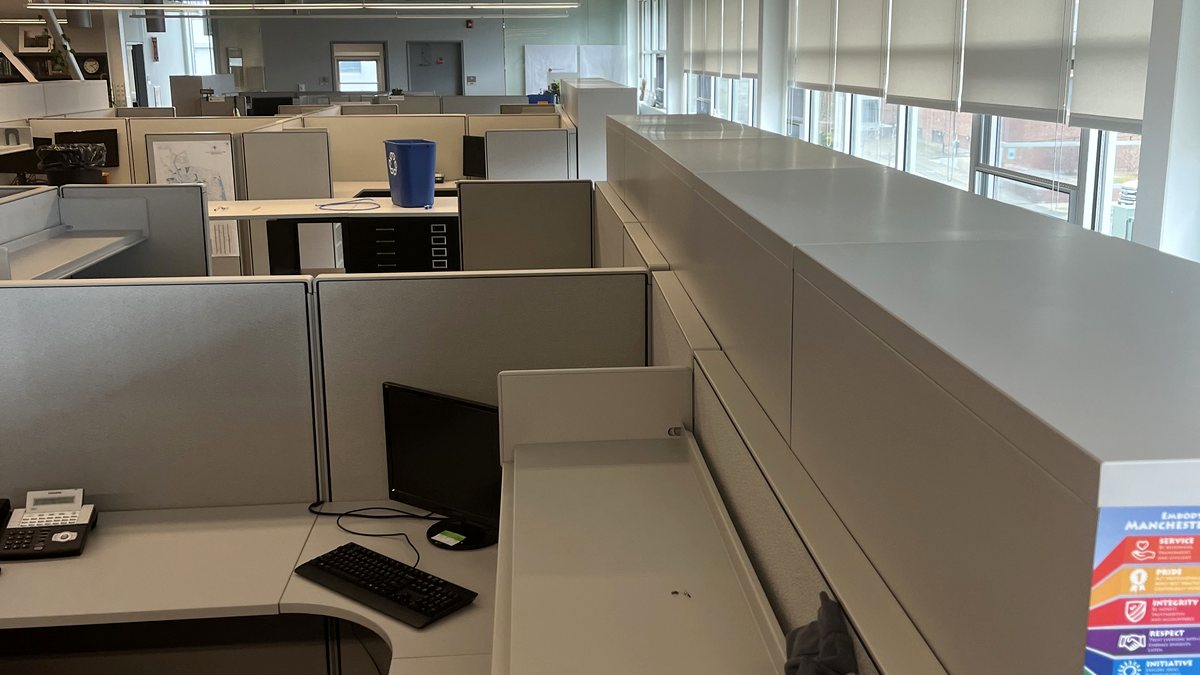
Share the origin, destination, target date, employee or workstation count, floor plans, furniture inventory and removal needs, or start with what is known. COI will review the scope, identify missing inputs and determine the practical next step toward a move quote.
COI focuses on commercial workplace furniture and office-project moves, and does not provide household-moving services. Technology, records, hazardous materials and specialty equipment require the appropriate qualified providers. Continue if the project also includes office furniture planning, moving, installation, new furniture or removal.
Last reviewed August 13, 2026