Why furniture usually falls outside the allowance
A tenant improvement allowance is money a landlord contributes toward preparing the space. The standard definition covers work that stays with the building: partitions, ceilings, flooring, lighting, mechanical and electrical, millwork, paint, doors and hardware.
Furniture is different in one way the landlord cares about. It leaves when you do. A desk is your property, it depreciates on your books, and it has no value to the next tenant. So the default position in most leases is that the allowance covers improvements and not furniture, fixtures and equipment.
That default is a negotiating position, not a law. Landlords in a soft market, or ones competing for a credit tenant on a long term, will often allow some portion of the allowance to go toward furniture. What you almost never get is permission by accident. It has to be written into the work letter.
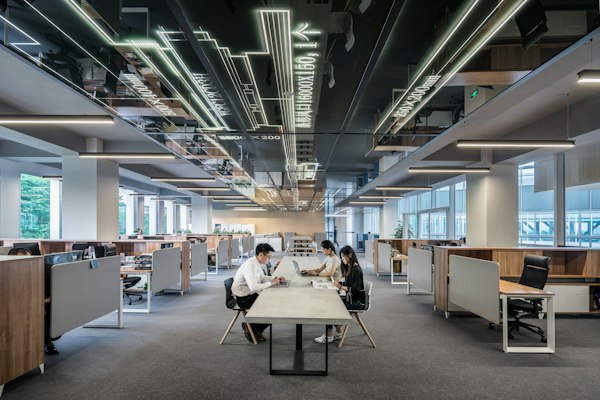
The distinction blurs at the edges, and the edges are where the money is. Demountable walls, systems furniture with a powered spine, built-in reception millwork and fixed casework can read as improvement or as furniture depending on how they are installed and how the lease defines them. That ambiguity is worth using deliberately rather than discovering later.
What to negotiate before signing
The work letter, not the lease summary, decides this. A few specific asks tend to be winnable.
A stated furniture carve-out. Ask for a defined portion of the allowance, expressed in dollars per square foot or as a flat figure, usable for furniture and cabling. A landlord who will not move on the total will sometimes move on how you spend it.
Permission to take unused allowance as rent abatement. If you cannot spend it on furniture, free rent is fungible and furniture is a cash purchase. This is frequently an easier yes than a furniture carve-out, and it gets you to the same place.
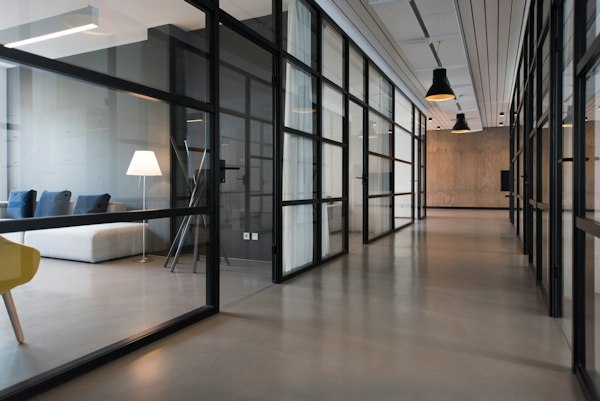
Clear treatment of demountable partitions. If you plan to use demountable walls instead of drywall, say so in the work letter and get them classified. They are often eligible for allowance funding as an improvement while remaining your property and moving with you at lease end. That combination is unusual and valuable.
Who owns what at expiration, and what has to come out. A restoration clause that requires removing everything you installed can erase the savings from a generous allowance. Negotiate the surrender condition at the same time as the allowance, because they are the same conversation.
Timing and draw mechanics. Allowances are commonly reimbursed against paid invoices, with a deadline. If your furniture arrives after the draw deadline, the money is gone regardless of what the work letter says. Furniture lead times routinely outlast construction schedules, so check the date against a real delivery estimate rather than a hoped-for one.
The tax treatment is a separate lever
Even when furniture stays outside the allowance, it is often treated better than improvements once it is on your books. This is worth running with your accountant before deciding how to fund the project, because it can outweigh the allowance question.
Office furniture is tangible personal property with a recovery period of seven years under standard depreciation rules. Leasehold improvements generally run far longer, and interior improvements that qualify get a shorter life than the building but still a long one. Shorter recovery means the deduction lands sooner.
Furniture is also usually eligible for immediate expensing under Section 179 and for bonus depreciation, subject to annual dollar caps and phase-downs that change year to year. Confirm the current figures rather than working from last year's memo, because these provisions have moved repeatedly.
Where improvements come out ahead is cash. Allowance dollars are the landlord's money, and a tax deduction is a fraction of yours. A dollar of allowance beats a dollar of deduction every time. The question is only what to do with the furniture spend that the allowance will not reach.
For that portion, leasing is worth pricing against purchase. It converts a capital outlay into an operating expense and matches payments to the lease term, which some finance teams prefer even at a higher total cost.
Sequencing the furniture money
The projects that go smoothly treat furniture as a funded line from the start rather than the item that absorbs whatever is left.
Price the furniture before the work letter is final. A real specification and a real number give you something to negotiate with. A placeholder gets you a placeholder carve-out.
Decide the demountable question early. It changes the allowance conversation, the construction schedule and the surrender obligation at once, and it is very hard to introduce after permit.
Get quotes held in writing against the draw deadline. A quote with a stated hold period and a delivery estimate is what proves to a landlord that the money can be spent in time.
Count what you already own. Product coming from your current space, reconfigured or refinished, reduces the number the allowance has to cover. Our RESEAT program works the other direction as well, recovering value from what will not make the move so the furniture budget starts above zero.
We work on both sides of this regularly, pricing a furniture package against a work letter and telling you plainly which items have a chance of being allowance eligible and which do not. Bring the draft work letter and the floor plan together and the conversation goes faster.