Trends move fast, furniture does not
The problem with designing an office to a trend is the mismatch in timelines. A design trend has a shelf life of a few years. Commercial furniture has a service life of twelve or more. Chase the look of the moment across a whole floor and you are living with 2026's fashion well into the 2030s, long after it reads as dated.
That does not mean ignore where office design is going. It means sorting the durable shifts from the passing looks. A durable shift is a change in how people actually work, and furniture built around it keeps earning its place. A passing look is a shape, a color, or a gimmick that photographs well and ages badly.
The test for any trend is simple: is this about how the space functions, or about how it looks in a launch photo? Build the floor around the first kind. Bring in the second kind only where it is cheap to change.
The 2026 directions worth building in
A few of the current directions are real shifts in how offices work, and worth designing around.
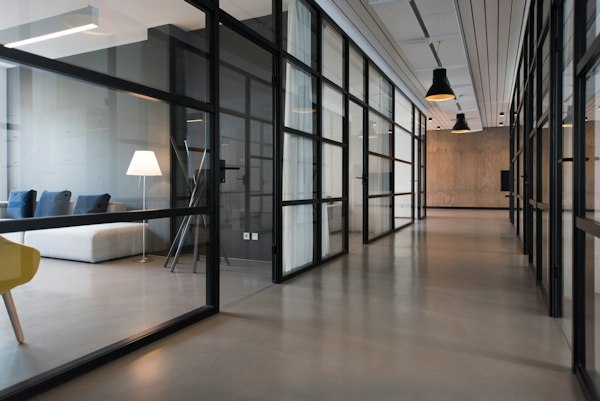
More quiet space, not less. As open floors got louder, the demand swung back toward focus rooms, phone booths, and small enclosed spaces for calls and heads-down work. This is not a look; it is a function the open plan left out. Our phone booth buyer's guide and our acoustics piece both cover it. Build it in.
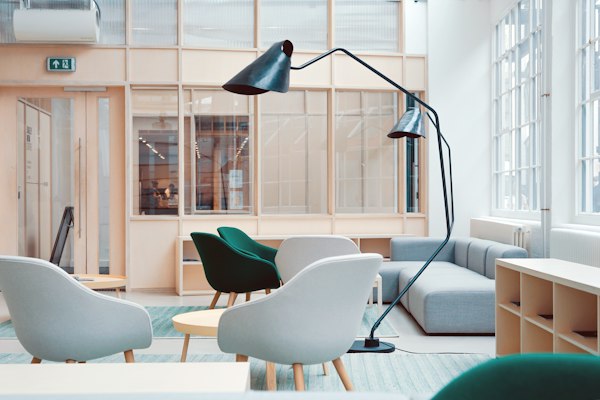
Warmer, more residential materials. Offices are moving away from the all-gray corporate palette toward wood tones, softer fabrics, and furniture that would not look out of place in a good home. Done with quality materials, this ages well because it is warmth, not a trend color. Our piece on office color palettes covers how to do it without the floor going flat.
Flexible, reconfigurable layouts. Furniture on casters, modular seating, tables that regroup, spaces that convert from all-hands to focus work. Hybrid schedules made floors that flex more valuable than floors fixed to one layout. Our hybrid office design piece covers the pattern.
Room for planting and daylight. Access to light and greenery is a durable want, not a fad. Our piece on biophilic office design covers what actually helps versus what is decoration.
The trends worth skipping or containing
Some of what gets sold as the future of the office is expensive to install and quick to date. Be careful with these.
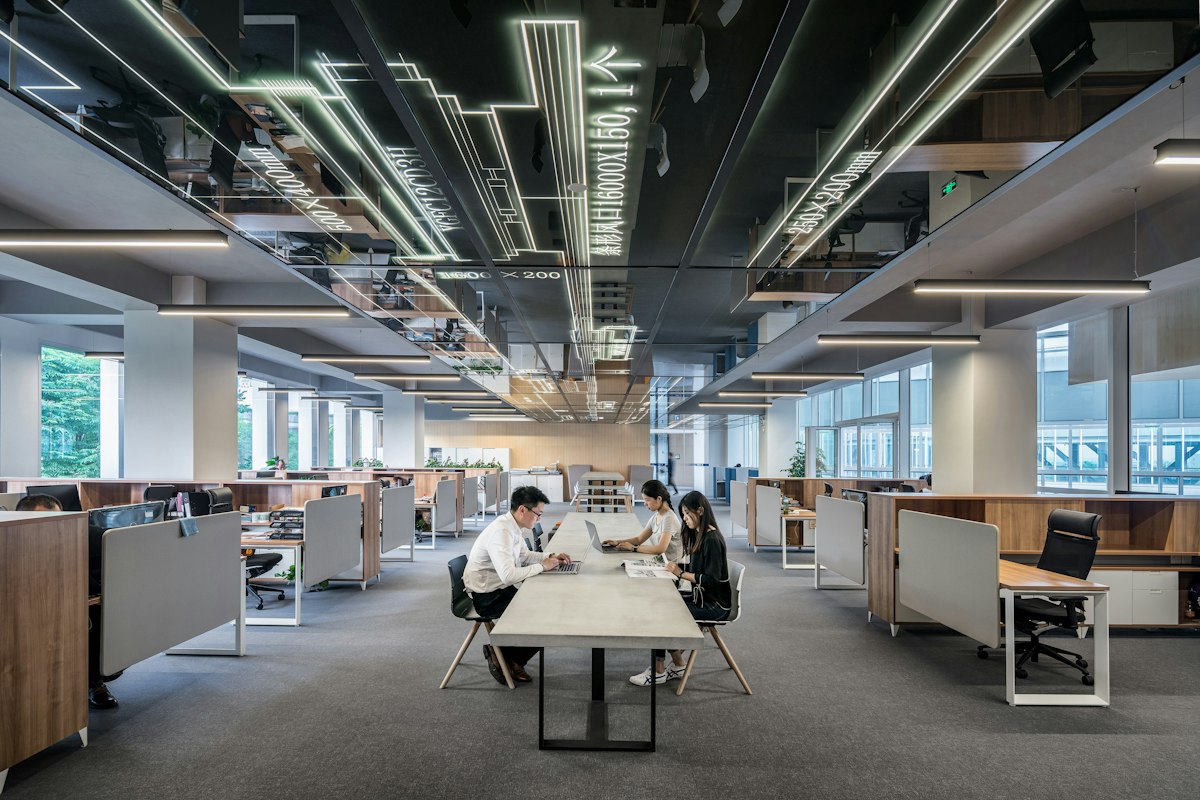
The fully open, no-boundaries floor. The pure open plan already peaked and receded once because it was loud and gave focus work nowhere to go. Redesigning around it now repeats a mistake the market already corrected. A mix of open and enclosed beats either extreme.
Saturated trend color across the structure. A bold color of the year on an accent chair or a wall is cheap to change. The same color baked into panels, work surfaces, and casegoods is a fifteen-year commitment to one season's palette. Keep bold color on the swappable layer.
Statement furniture with a short life. Sculptural chairs and novelty pieces photograph well and often sit unused because they are uncomfortable or impractical. One or two as accents are fine. A floor of them is money spent on a look, not on work.
Amenities nobody uses. The nap pod, the elaborate game room, the barista bar can be real perks or expensive square footage that sits empty. Design amenities around what your team actually does, not what looked good in a competitor's launch post. Our breakroom piece covers building amenity space that gets used.
Buy for the part of the trend that lasts
The way to design a current office without a dated one in three years is to split the spend by how long each layer lives.
Put the durable money in the bones. Workstations, seating, storage, and the layout are the fifteen-year decisions. Spec these to how people work, in quality materials and neutral, current finishes that will still look right at the end of the lease. This is where a trend should never drive the choice.
Put the trend money in the swappable layer. Accent chairs, throw pillows, wall color, art, planters, lighting fixtures. These are cheap to change when the look moves on, so this is exactly where a current color or a bolder shape belongs.
Use a dealer that specifies across lines. Chasing a specific look through a single catalog forces compromises. An open-line dealer can pull the right piece from any of a hundred-plus manufacturers to hit both the function and the current feel. Come see what is actually current at the Hooksett showroom, and when a refresh does come, our RESEAT program moves the old pieces on to resale or donation instead of a dumpster.